I had a few queries from you guys about the calculation of partial pressure of Oxygen in alveoli (PA02) , in my previous post.
Thanks for those who brought this up
This is what I mentioned for calculation of A-a gradient
A-a = (713 x FiO2) - PaO2-PaCO2-PaCO2/4
where PAO2 = (760-47) x FiO2 - PaCO2 /0.8
here 760 is the atmospheric pressure...and 47 is water vapour pressure....and 0.8 is the respiratory quotient assuming we have the stipulated proportion of fat,CHO & protein in the diet.
This is how I got 713. I have simplified the PaCO2 /0.8 portion of this equation into PaCO2 - PaCO2 /4 just because I find this easier than having a 0.8 in the denominator.
Usually A-a gradiesnt is calculated by PAO2 - PaO2 , .....and PAO2 is taken as 150 . This value of 150 is only applicable if the patient is breathing room air i.e 0.21. If not then we have to substitute that value and arrive at the PAO2 appropriate for that FiO2. This is the reason I didnt mention the value 150 in the equation.
Hope this clarifies!
Sunday, October 31, 2010


Friday, October 29, 2010
Evaluating hypoxia - not that tough!
OK……the usual situation will be that you are called to see a patient with reduced O2 saturations on the wards….and an ABG, chest xray has been done and pt is on O2. (If not done, you need these to make a good decision ). While waiting for these to be done ….we can do the most important thing..taking a SHORT focused history and exam (many times this will give us the clue and we can use the test to confirm them). If not..then lets go through the tests
First thing to assess is that whether this hypoxia is due to pulmonary or extrapulmonary causes( sedatives, neuromuscular weakness, central hypoventilation). The A – a gradient will help. It can be calculated by the formula PAO2 ( 713 x FiO2 ) – PaO2 – PaCo2 – PaCo2/4 . Normal gradient is <12 and differs with age…so use age/ 4 +4 to correct for age. Ok..back to the evaluation- If A-a gradient is normal then its likely extrapulmonary cause(usually they have resp acidosis). If it is normal then look at PaCo2. If high..that will suggest airway obstructive disease ie. COPD/asthma. If PaCo2 id normal then have a look at the Chest Xray(CXR). If the CXR is normal then its likely to be a Pulmonary embolism (if the history correlates…..give a shot of heparin(Fondaparinux or Enoxaparin) and send the patient for CTA of chest). If CXR is abnormal and shows a focal infiltrate then its likely to be pneumonia or atelectasis. If infiltrates are diffuse then there are 2 possibilities – cardiogenic pulmonary edema or non cardiogenic pulmonary edema(ARDS). The ideal way to distinguish them is to do a Pulmonary artery wedge pressure. But this is not done in recent days as it does not seem to improve mortality. So …we have to rely on factors like ECHO(if done already), EKG, CVP and History. We can try giving a bolus of Frusemide to see if it helps. Both may get better, but usually patients with CHF might find a quicker relief. One other point here….is to always compare this CXR to a previous one(esp when pt. was stable)
Throughout this evaluation ..history will be helpful. I have found it useful ..to go back to the history(mainly the presenting symptoms) when Iam stuck in the process of evaluating these numbers( any numbers!).
So to summarise…the order with which we can look at the numbers ..
1. 1. A-a gradient 2. PaCo2 3. Chest Xray 4. EKG,ECHO,JVD,CVP etc
Whenever we are stuck….always get back to the history!
Whenever we are stuck….always get back to the history!
Wednesday, October 27, 2010
Hyperammonemia - if not Liver...what is it?
I have an interesting 50ish patient in the Clinic with a history of 3 -4 admissions in the last 6 months due to episodes of altered mental status, confusion, lethargy which has made her stop driving(school bus) on one occasion. Her imaging was normal and her EEG showed diffuse slowing suggestive of a metabolic cause. Her ammonia(NH3) level was 110 with a normal liver function test and no clinical signs of chronic liver disease. She improved in 24-48 hours with lactulose. She is not an alcoholic or smoker. Her BMI is 30, and she had bariatric surgery done 4 years ago. So what can we do for her? Well....first will continue on lactulose while we investigate....and advise to stop driving.
How to approach . Well it is tough when we have some one with symptomatic high ammonia levels with a normal Liver function. These are the differentials in this case ---
1.Medications - Sodium valproate ( by inhibiting carbamoyl phosphate synthetase in the urea cycle. can happen both in acute & chronic setting. Some of these patients do have an underlying enzyme defect which is now unmasked by valproate). Chemotherapy drugs are also implicated esp 5- Flurouracil. But the underlying malignancy can also cause high NH3 levels. So interpretation might be difficult in that situation.
 2.Digestive & Urinary tract infections - Proteus, H.pylori, Corynebacterium, Klebsiella are urea splitting bacteria and can cause hyperammonemia.
3. Surgical procedures - Ureterosigmoidostomy(due to diffusion of NH3 into circulation), portosystemic shunts, lung & bone marrow transplant (mostly due to GI bleeding, total parenteral nutrition), and bariatric surgery( again due to unmasking of underlying enzyme defect due to a high protein diet)
4. Late onset enzymatic defeciency - The most common in adults would be Ornithine transcarbamoylase(OTCM) defeciency(X-linked), but other urea cycle defects can occur. Best way to start investigating is to get a Citrulline & arginine level. If citrulline is low.... its a defect of either Carbamoyl phosphate(CP) or Ornithine TCM. If high.....its a defect in arginosuccinate synthase. If normal go with arginine( check the diagram).
5. Small bowel bacterial overgrowth(SBBO) - more bacteria in the gut breaks down more protein and releases more NH3 . This is possible in patients with bariatric surgery(esp if its a bypass with a blind loop).
So...in our patient..we think it is related to her bariatric surgery. Going through the above list......2 possible mechanism could contribute. Underlying enzyme defect Vs SBBO. I have scheduled her for a Hydrogen breath test with Lactulose(for SBBO) and awaiting her citrulline levels. Hopefully we would be able to nail the culprit. In case its SBBO..she would need to go on antibiotics preferred one being Metronidazole or Rifaximin. Lets see!
How to approach . Well it is tough when we have some one with symptomatic high ammonia levels with a normal Liver function. These are the differentials in this case ---
1.Medications - Sodium valproate ( by inhibiting carbamoyl phosphate synthetase in the urea cycle. can happen both in acute & chronic setting. Some of these patients do have an underlying enzyme defect which is now unmasked by valproate). Chemotherapy drugs are also implicated esp 5- Flurouracil. But the underlying malignancy can also cause high NH3 levels. So interpretation might be difficult in that situation.
 2.Digestive & Urinary tract infections - Proteus, H.pylori, Corynebacterium, Klebsiella are urea splitting bacteria and can cause hyperammonemia.
3. Surgical procedures - Ureterosigmoidostomy(due to diffusion of NH3 into circulation), portosystemic shunts, lung & bone marrow transplant (mostly due to GI bleeding, total parenteral nutrition), and bariatric surgery( again due to unmasking of underlying enzyme defect due to a high protein diet)
4. Late onset enzymatic defeciency - The most common in adults would be Ornithine transcarbamoylase(OTCM) defeciency(X-linked), but other urea cycle defects can occur. Best way to start investigating is to get a Citrulline & arginine level. If citrulline is low.... its a defect of either Carbamoyl phosphate(CP) or Ornithine TCM. If high.....its a defect in arginosuccinate synthase. If normal go with arginine( check the diagram).
5. Small bowel bacterial overgrowth(SBBO) - more bacteria in the gut breaks down more protein and releases more NH3 . This is possible in patients with bariatric surgery(esp if its a bypass with a blind loop).
So...in our patient..we think it is related to her bariatric surgery. Going through the above list......2 possible mechanism could contribute. Underlying enzyme defect Vs SBBO. I have scheduled her for a Hydrogen breath test with Lactulose(for SBBO) and awaiting her citrulline levels. Hopefully we would be able to nail the culprit. In case its SBBO..she would need to go on antibiotics preferred one being Metronidazole or Rifaximin. Lets see!
Tuesday, October 26, 2010
Is hyperbilirubinemia protective ?
Well..a mild increase in unconjugated bilirubin may be a good thing to have!. Iam talking about patients with Gilbert's syndrome(GS) and patients with a mild elevation in their indirect bilirubin in the absence of liver disease. GS is a benign syndrome cause by reduced activity of enzyme UDP Glucronyl Transferase. In one of the famous prospective cohort studies- The British Regional Heat Study(BRHS) there was a U shaped relationship between bilirubin level and heart disease. Men with low bilirubin levels were found to have low concentrations of HDL cholesterol, low FEV1, and low serum albumin. This led to a small study in Univ of Utah...which showed a similar inverse relationship between bilirubin & heart disease.Another prospective study from Europe called PRIME study involving 10,000 men also showed that a slightly elevated bilirubin is a marker of protection against Coronary Heart Disease. Another strong pointer towards this trend is the lesser incidence of heart disease in patients with Gilbert's syndrome compared to general population (Atherosclerosis 2002)
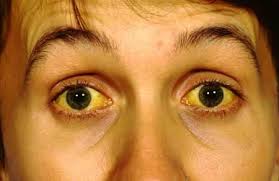 This benefit has been explained on the basis of the antioxidant property of Bilirubin. It might prevent oxygen radicals from damaging the endothelium, and it also prevents oxidation of LDL particles. Bot these effects can explain a lower incidence of Ischemic heart disease in this population. Well....if this idea is true....then it should protect against stoke as well.
Stroke & bilirubin - A 30% risk reduction in incidence of carotid plaques was found in patients with their bilirubin the highest quartile compared to bilirubin in lowest quartile (Stoke 2001). recent study published in Stroke 2009 ...studying nearly 80,000 healthy patients showed a 20% risk reduction in ISCHEMIC stroke in patients with high bilirubin levels.
Aaand...it doesnt stop here! Another study from Annals of Hepatology published in 2008 showed that a 0.1 mg/dL increase in bilirubin level was associated with a 6% reduction in the odds of peripheral vascular disease (PAD). The benefit was noticed more in men than women. Another article in JAMA 2007 comparing diabetic pts with Gilbert's syndrome to normal people...showed a a significantly lower prevalence of hypertension, HbA1c, LDLl, total cholesterol, and triglyceride,CRP and higher levels of HDL. They also had a lower incidence of proteinuria as well (have a look at the table). Very recently ,an article in Kidney International (Oct 2010) shows that in rats who had hereditary hyperbilirubnemia had lower incidence of diabetic nephropathy.
It may be difficult to prove whether high bilirubin is an effect of body's need for an antioxidant...or it does genuinely protect against atherosclerosis. But bilirubin seems to offer a definite protection, and could be used as a reasonably good marker of vascular events. The main hindrance to bilirubin's use is that we cannot modify its level...to attain any of these benefits. A level just around upper limit of normal( upto 2.5 x normal in GS) would be the level talked about in the studies.
Stroke & bilirubin - A 30% risk reduction in incidence of carotid plaques was found in patients with their bilirubin the highest quartile compared to bilirubin in lowest quartile (Stoke 2001). recent study published in Stroke 2009 ...studying nearly 80,000 healthy patients showed a 20% risk reduction in ISCHEMIC stroke in patients with high bilirubin levels.
Aaand...it doesnt stop here! Another study from Annals of Hepatology published in 2008 showed that a 0.1 mg/dL increase in bilirubin level was associated with a 6% reduction in the odds of peripheral vascular disease (PAD). The benefit was noticed more in men than women. Another article in JAMA 2007 comparing diabetic pts with Gilbert's syndrome to normal people...showed a a significantly lower prevalence of hypertension, HbA1c, LDLl, total cholesterol, and triglyceride,CRP and higher levels of HDL. They also had a lower incidence of proteinuria as well (have a look at the table). Very recently ,an article in Kidney International (Oct 2010) shows that in rats who had hereditary hyperbilirubnemia had lower incidence of diabetic nephropathy.
It may be difficult to prove whether high bilirubin is an effect of body's need for an antioxidant...or it does genuinely protect against atherosclerosis. But bilirubin seems to offer a definite protection, and could be used as a reasonably good marker of vascular events. The main hindrance to bilirubin's use is that we cannot modify its level...to attain any of these benefits. A level just around upper limit of normal( upto 2.5 x normal in GS) would be the level talked about in the studies.
Monday, October 25, 2010
Placebo??
 I recently came across an interesting article from Annals of Internal Medicine. Placebo is a very common term we use in our day to day life...when we read articles..when we refer to a study. But I always had some curiosity about what really it has. It has also been named as 'Sugar Pill'. It can contain sugar ..or may be vegetable oil( in fact each study uses its own manufactured placebo!).Well...can it affect results of studies .
a quick example.....If its a vegetable oil, the monounsaturated and polyunsaturated fatty acids of these 'placebos,' and their antioxidant and anti-inflammatory effects, can reduce lipid levels and heart disease." If this is used in against a lipid lowering drug...then the benefit of the drug might be blunted at the end of the study! Well...if its all sugar....and we comparing it with Metformin..then we know what to expect!!!
In this study, researchers delved into 176 studies published in reputable medical journals, such as the New England Journal of Medicine, the Journal of the American Medical Assn. and the Annals of Internal Medicine, from January 2008 to December 2009 to see if placebo contents were disclosed and if so, what they were. Only a very few number of studies did disclose what the placebo contained. The placebos are manufactured by the company running the research, and they never let the content of the placebo out!
And to make suspicions worse...FDA does not regulate the placebos used in studies (in fact no one regulates their use...except for the drug companies)
Irrespective of what they contain....do placebos have any clinical or the so called psychological benefit. This was addressed in a review published in NEJM in 2000. The placebo did show a little benefit in studies with subjective outcomes, and for treatment of pain!
Lets hope that all studies are done in good faith...good intentions!!!!! and the researchers are willing to publish this part of evidence as well.
Thursday, October 21, 2010
A better hope for irregular hearts- Dabigatran
2 days ago the FDA approved the first new anticoagulant in fifty years, dabigatran for stroke prevention in patients with non-valvular atrial fibrillation. Available in 75 & 150 mg to be taken twice daily. Dabigatran showed a better side effect profile compared to warfarin in the recently published RE-LY trial in NEJM. This was a non inferiority trial with 18000 patients. Half received Dabigatran and half..coumadin. Primary outcome was stroke. Compared with Coumadin (warfarin), patients on Dabigatran had a 9% lesser incidence of stroke, and the risk of major bleeding each year was 2.71% with dabi ..and 3.36% per year with warfarin.The risk of hemorrhagic stroke also decreased significantly. These results has pushed FDA to approve this on the market.
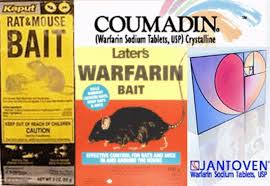 On top of all these benefits.....the one advantage that stands out...is the there is NO NEED TO CHECK BLOOD LEVELS. This is a great news for patients taking warfarin....but may be a bad news for the warfarin clinics!
What is the downside of Dabigatran? The common side effect is GI intolerance. This was not a major issue in the trial. Second..it is expected to be 7-8 times costlier than warfarin (roughly around $6 -$9 / day). But given the amount spent on blood checks, clinic visits, lost work days, money spent on patients travelling to the clinics..........plus the reduction in complications.....Dabigatran might still prove to be a cost effective medication. Well...who knows........our clever Insurance companies might think differently. But another important group of concerns are...that there is no antidote in case of a major bleeding ( but due to short half life..stopping the drug could be adequate). Also when to stop before surgeries..and when to restart? How to monitor if needed? Well ...the most reliable means of montoring seems to be activated partial thromboplastin time(aPTT) and Thrombin clottin time (TT).
How does it work? It is a prodrug..and is immediately converted by a serum esterase to dabigatran, a potent, direct, competitive inhibitor of thrombin. It has an absolute bioavailability of 6.5%, 80% of the given dose is excreted by the kidneys, its serum half-life is 12 to 17 hours. It is approved by FDA at a dose of 150 mg bid. Lets wait and see if this would end the story for warfarin.
Remember....a direct thrombin inhibitor called Ximelagatran was about to be released in Europe for the same indication as Dabigatran...but had to be withdrawn because of hepatotoxicity during its trials. This was not a great problem in the RE-LY trial. But this something to be aware of especially in the first few months of treatment.
What is the downside of Dabigatran? The common side effect is GI intolerance. This was not a major issue in the trial. Second..it is expected to be 7-8 times costlier than warfarin (roughly around $6 -$9 / day). But given the amount spent on blood checks, clinic visits, lost work days, money spent on patients travelling to the clinics..........plus the reduction in complications.....Dabigatran might still prove to be a cost effective medication. Well...who knows........our clever Insurance companies might think differently. But another important group of concerns are...that there is no antidote in case of a major bleeding ( but due to short half life..stopping the drug could be adequate). Also when to stop before surgeries..and when to restart? How to monitor if needed? Well ...the most reliable means of montoring seems to be activated partial thromboplastin time(aPTT) and Thrombin clottin time (TT).
How does it work? It is a prodrug..and is immediately converted by a serum esterase to dabigatran, a potent, direct, competitive inhibitor of thrombin. It has an absolute bioavailability of 6.5%, 80% of the given dose is excreted by the kidneys, its serum half-life is 12 to 17 hours. It is approved by FDA at a dose of 150 mg bid. Lets wait and see if this would end the story for warfarin.
Remember....a direct thrombin inhibitor called Ximelagatran was about to be released in Europe for the same indication as Dabigatran...but had to be withdrawn because of hepatotoxicity during its trials. This was not a great problem in the RE-LY trial. But this something to be aware of especially in the first few months of treatment.
Wednesday, October 20, 2010
moving towards Bariatric Surgery...
In most of the studies done on weight reduction with diet &/or exercise..the drop out rate of participants has been quite high. And almost all the studies are of duration less than 2-3 years ..and weight reduction has not achieved targets.For example..in the Diabetic Prevention Program Study (NEJM 2002)..analysis of 1079 pts with ave BMI of 33 showed only a 5.6 kg reduction in weight with intensive lifestyle changes(diet & exercise ) for mean of 2.8 years. Adding Orlistat to a population similar to the above..as in XENDOS study again showed a modest 5.6 kg wt loss over 4 years. Based on UKPDS data...a reduction of 7-8% of body weight is needed to reduce a HbA1C from 8 to 6 !! hardly achievable
With this modest effects of lifestyle and medications on weight loss ( not to mention the compliance issue), bariatric surgery seems to be a reasonable option. Bariatric surgeries are of 2 types:
1. Malabsorptive procedures - eg. jejunoileal bypass(no longer done), biliopancreatic diversion and the biliopancreatic diversion with duodenal switch. The aim is to shorten the functional length of small intestine.
2. Restrictive procedures - eg. vertical banded gastroplasty, gastric banding. simpler to perform. The aim is to make stomach smaller so you get early sateity.
3. Roux-en-Y gastric bypass - this is the most common procedure in US. It is a combination the above two.
A meta-analysis from 2005 showed a significant 20-40 kg weight loss from bariatric surgery which persisted at 10 years. This was mostly in pts with BMI>40...which translates into a 15- 30% weight reduction. Another review in JAMA also showed extensive weight loss with surgery...and a greater proportion of reduction in obesity related complications (diabetes, OSA, Hypertension, dyslipidemia etc). The perioperative mortality(30 day) is anywhere between 0.3% to 2%. Common long term complications are gall bladder disease, GI ulcers, dumping syndromes.
So..who is eligible....
A recent analysis of cost effectiveness(CE) of bariatric surgery showed CE ratios of $7000 - $12,000/QALY in obese pts with diabetes. Medicare in US covers the cost for the surgery....and they infact dont need patients to specifically go for all non medical interventions..to qualify! But still Insurance coverage will be a limiting factor in our 40 ish age group. Bariatric surgery at age 40 prolongs survival by 5-6 years .
Subscribe to:
Posts (Atom)